WildPlaces Africa is opening a new camp inside Murchison Falls National Park, and it is built around a section of the park that has not held permanent tourist accommodation before. The camp is called Kulu Ora. It sits inside a newly designated 75,000-hectare low-impact zone, and it is scheduled to open in the first quarter of 2026. Touring Insights looks at what Kulu Ora actually offers, where it sits relative to the park’s better-known lodges, and what the camp’s conservation levy pays for. We also cover distances, flight options, and park fees, so you can weigh Kulu Ora against the rest of your Uganda itinerary.
What Kulu Ora Is and Who’s Building It
Kulu Ora is WildPlaces Africa’s seventh property in the region. The company has built a reputation on small, tented camps set inside or beside protected areas rather than large fixed lodges outside park boundaries. Kulu Ora follows that pattern. The camp holds 11 canvas suites, a deliberately small footprint for a park the size of Murchison Falls. WildPlaces has framed the project around the idea of low-impact tourism. That means fewer beds, a lighter physical structure, and access limited to a defined zone rather than open roaming across the wider park. The opening is set for Q1 2026, which puts Kulu Ora in play for travelers planning trips from around March 2026 onward, subject to the operator’s own booking calendar.
Where Kulu Ora Sits in Murchison Falls National Park
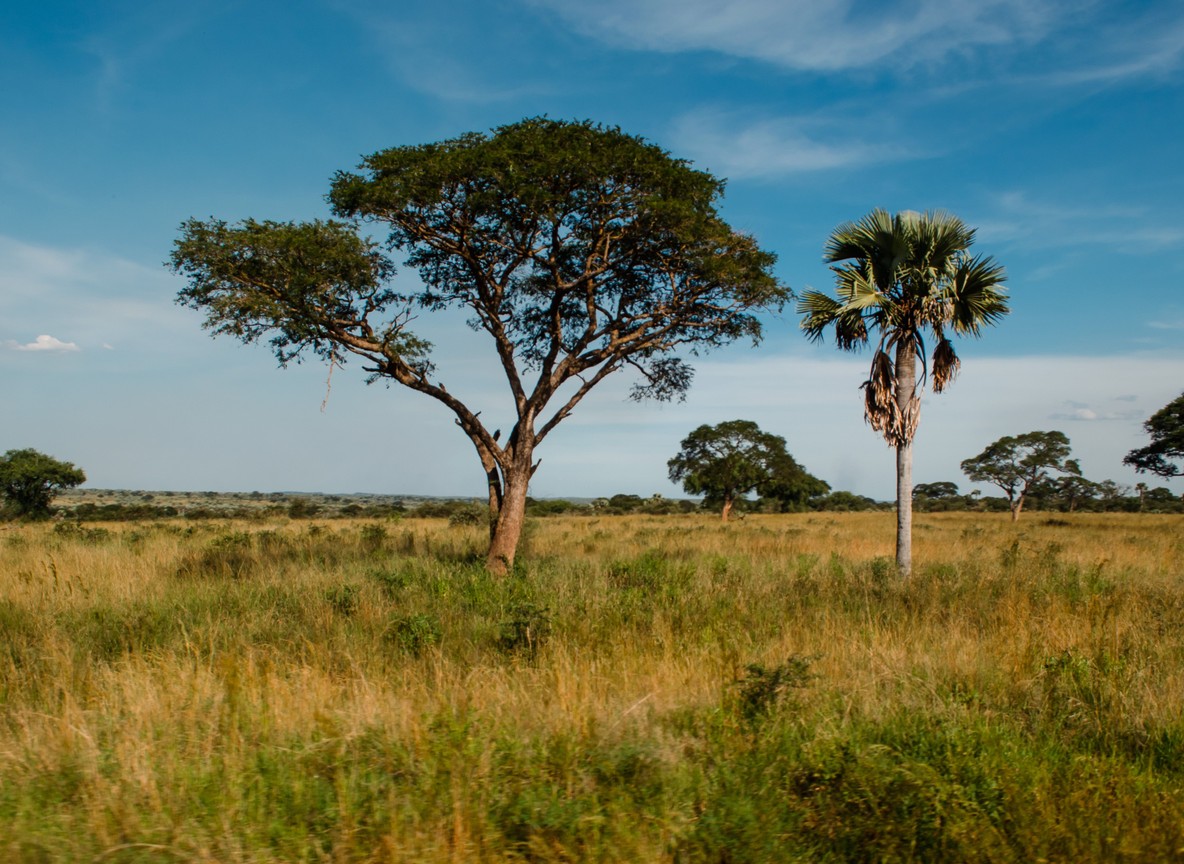
Murchison Falls National Park covers approximately 3,893 km2 in northwestern Uganda, split roughly east and west by the Victoria Nile. The falls themselves, where the river forces through a gap of about 7 meters wide before dropping around 43 meters, sit near the park’s center and give the park its name. Kulu Ora occupies a new 75,000-hectare low-impact zone carved out within the park’s boundaries specifically for this kind of limited-footprint development. That zone designation matters for two reasons. It caps the number of beds the area can support, and it keeps vehicle traffic lower than in the busier game-drive circuits around Paraa and the delta. Established lodges in the park, including Paraa Safari Lodge, Chobe Safari Lodge, and Baker’s Lodge, sit outside this new zone, mostly along the river or near the northern bank game tracks.
The Suites and What Low-Impact Design Means Here
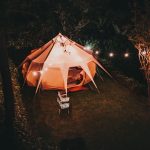
Each of Kulu Ora’s 11 suites is built as a raised canvas structure rather than a permanent brick or concrete building. That construction style is standard for tented camps, but the low-impact framing goes further here. It typically covers water use, waste handling, and the total ground area disturbed during construction, all kept to a smaller scale than a conventional 30-to-40-room lodge. For guests, the practical effect is a quieter camp with fewer other vehicles competing for the same sighting. Small guest counts also mean game drives run in smaller groups, often with more flexibility on timing than a lodge running fixed morning and afternoon drive blocks for 60-plus guests.
Kulu Ora vs Established Murchison Falls Lodges
The table below compares Kulu Ora’s stated setup against a typical established lodge inside or near the park.
| Feature | Kulu Ora | Typical established MFNP lodge |
|---|---|---|
| Number of rooms/suites | 11 canvas suites | 20-54 rooms |
| Zone | New 75,000-hectare low-impact zone | Standard park access, river-front or northern bank |
| Construction style | Raised canvas suites | Mix of permanent and canvas structures |
| Conservation levy | USD 25 per night (stated, funds park protection) | Varies by property, not always itemized |
| Opening | Q1 2026 | Established, some operating 20+ years |
| Vehicle density on drives | Lower, capped by zone | Higher on peak-season game tracks |
| Indicative nightly rate | Premium tier, rate not yet published | USD 150-450 per person per night |
Kulu Ora has not published a fixed per-person nightly rate at the time of writing. New low-impact properties in East Africa typically launch in a premium tier given the smaller guest capacity, but confirm current pricing directly with WildPlaces Africa before booking.
The Conservation Levy: What Your $25 a Night Funds
WildPlaces Africa has attached a USD 25 per night conservation levy to stays at Kulu Ora. The stated purpose is funding park protection work inside Murchison Falls National Park. This kind of levy is increasingly common at new East African camps, and it usually goes toward ranger patrols, anti-poaching support, or habitat monitoring in the immediate area around the property. The Uganda Wildlife Authority already charges its own separate park entry fee on top of any lodge-level levy, so guests should expect the USD 25 to be an addition to standard park fees, not a replacement for them. Ask WildPlaces Africa directly for a breakdown of how the levy is allocated before you travel, since specifics can shift as the camp moves from launch to full operation.
Getting to Kulu Ora: Distances, Drive Times, Flights
Murchison Falls National Park sits in Uganda’s northwest, reachable from Kampala by road or by short domestic flight. The table below lays out the standard planning numbers for the wider park; confirm Kulu Ora’s exact airstrip and transfer point with WildPlaces Africa once bookings open.
| Detail | Figure |
|---|---|
| Murchison Falls National Park size | approx. 3,893 km2 |
| Kulu Ora low-impact zone size | approx. 75,000 hectares (750 km2) |
| Kampala to Paraa area by road | approx. 305 km |
| Kampala to Paraa drive time | approx. 5-6 hours |
| Flight time from Kajjansi/Entebbe | approx. 1 hour |
| Airstrips serving the park | Pakuba, Bugungu, Chobe |
| UWA park entry fee, foreign non-resident adult (indicative) | USD 40-45 per person per day |
| Nile boat cruise to the base of the falls (indicative) | USD 30-40 per person |
| Kulu Ora suite count | 11 canvas suites |
| Kulu Ora conservation levy | USD 25 per night |
Park fees and boat cruise rates move periodically with Uganda Wildlife Authority policy. Confirm current figures directly with UWA or your operator before finalizing a budget.
What Wildlife and Activities to Expect Near Kulu Ora
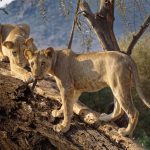
Murchison Falls National Park holds four of the Big Five, missing only rhino, which live at the nearby Ziwa Rhino Sanctuary rather than inside the park itself. Lion, leopard, buffalo, and elephant are all present, alongside large herds of Rothschild’s giraffe and Uganda kob. The Victoria Nile corridor is one of the most reliable hippo and Nile crocodile viewing stretches in East Africa. Boat cruises from Paraa toward the base of the falls are the park’s signature activity, alongside game drives on the northern bank and a hike to the top of the falls itself. Kulu Ora’s low-impact zone location suggests activities will lean toward the same core mix: game drives, birding, and Nile-based boat trips, with the zone’s lower vehicle density as the main point of difference from the busier northern circuit.
Explorer Notes
Book Kulu Ora’s opening-season dates early. New low-impact camps with only 11 suites sell out fast once word gets around, especially for the July-through-September dry season when road access into the park is easiest. Pack for both river humidity and cooler early-morning game drives. Murchison Falls sits at a lower elevation than Uganda’s southwestern parks, so daytime heat builds faster than at Bwindi or Queen Elizabeth. If you plan to combine Kulu Ora with a boat cruise to the base of the falls, ask about the early-morning departure slot. It runs before the day’s heat and before the bulk of the day’s vehicle traffic reaches the jetty at Paraa. Bring binoculars rather than relying on your guide’s pair. The Nile corridor here holds strong numbers of shoebill stork in the delta area, and shoebill sightings reward patient, independent scanning as much as a sharp-eyed guide. Also check whether Kulu Ora’s transfer includes the short Nile ferry crossing at Paraa, since that crossing point can back up during peak safari season and it is worth building slack into your day’s schedule.
What to Read Next
- Murchison Falls National Park: Uganda’s biggest reserve and its wildlife
- Best low-impact and conservation-focused safari camps in East Africa
- Uganda’s free national park days: how to plan around them
FAQ
When does Kulu Ora open? WildPlaces Africa has set the opening for the first quarter of 2026. Exact booking dates should be confirmed directly with the operator as the launch approaches.
How many rooms does Kulu Ora have? Kulu Ora has 11 canvas suites, a deliberately small footprint compared to established lodges of 20 rooms or more elsewhere in Murchison Falls National Park.
What does the conservation levy at Kulu Ora cover? WildPlaces Africa has stated a USD 25 per night conservation levy that funds park protection work in Murchison Falls National Park. This is separate from the standard Uganda Wildlife Authority park entry fee.
Is Kulu Ora inside Murchison Falls National Park? Yes. It sits within a newly designated 75,000-hectare low-impact zone inside the park’s boundaries, distinct from the busier river-front and northern bank areas where most existing lodges operate.
How do I get to Kulu Ora? The standard routes into Murchison Falls National Park are a road transfer of roughly 305 km and 5-6 hours from Kampala, or a domestic flight of about 1 hour to one of the park’s airstrips. Confirm Kulu Ora’s specific transfer arrangement once WildPlaces Africa opens bookings.
Kulu Ora is worth tracking if a quieter, lower-impact base inside Murchison Falls fits your itinerary better than the park’s larger established lodges. Check the Tour Packages page for current Uganda itineraries, or ask a partner operator to flag you when Kulu Ora’s opening-season rates and dates go live.